


Recent cybersecurity incidents affecting public infrastructure have highlighted the need for municipalities to evaluate both operational technology and broader IT systems. Take these foundational steps to strengthen resilience and improve system security.

As broadband expansion grows across the Midwest, municipalities are facing increasingly complex permitting and coordination needs. Brookfield’s experience shows how early planning can help protect public infrastructure and prepare projects for construction.
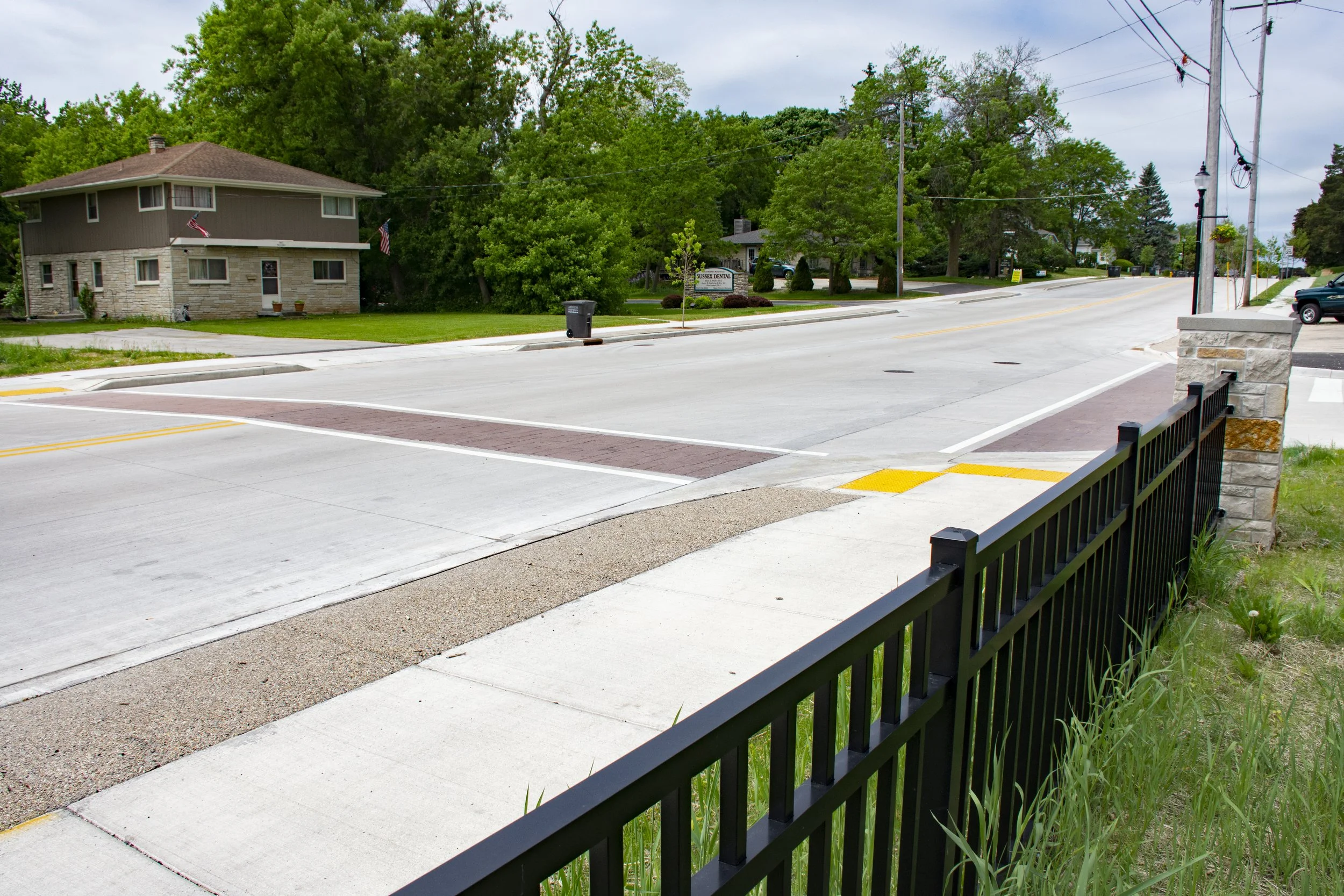
Communities across the Midwest are working to improve accessibility while balancing budgets, infrastructure needs, and evolving standards. Discover how ADA Transition Plans and immersive GIS tools can help turn accessibility goals into actionable plans.
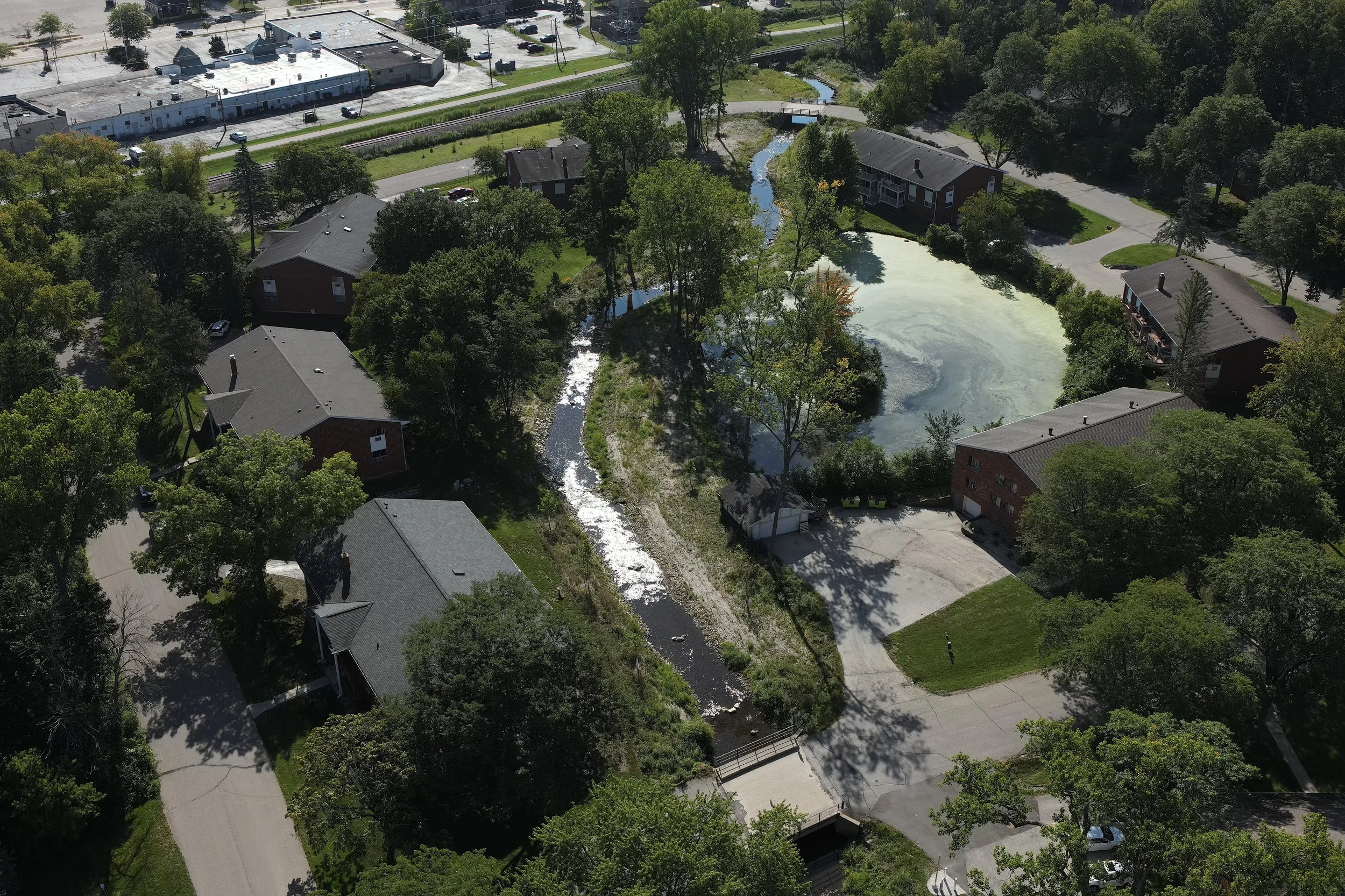
The Village of Thiensville's Pigeon Creek Restoration Project highlights the value of engaging property owners and stakeholders throughout the planning process. The result is a restoration effort that enhances the stream corridor while supporting the broader community.
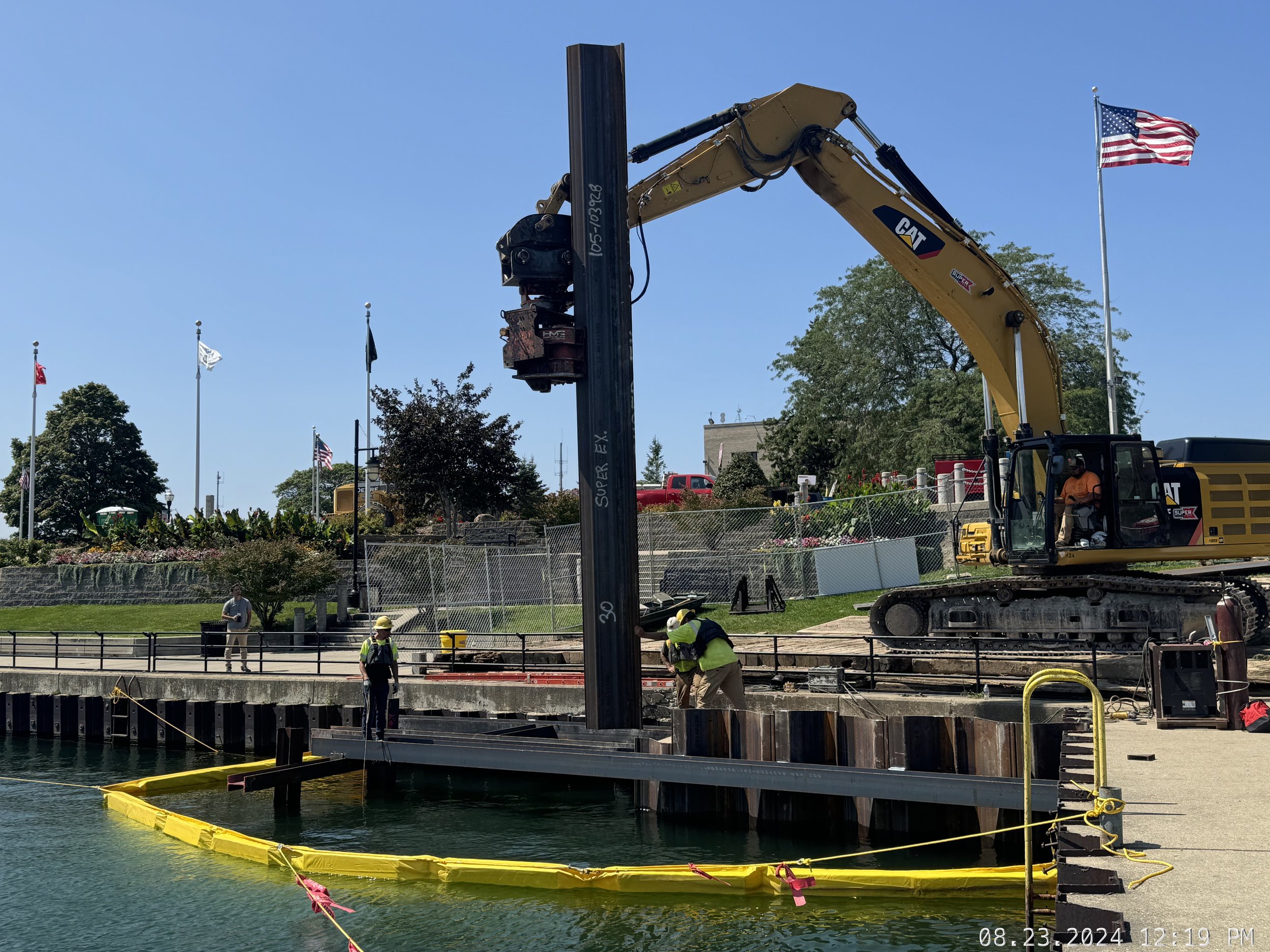
Beneath downtown Kenosha, aging stormwater infrastructure posed a growing risk to public safety and the community it serves. Partnering with the City of Kenosha, Ruekert & Mielke helped deliver an award-winning solution that replaced a failing section of Pike Creek's 70-year-old storm sewer with a modern, resilient box culvert system. Through innovative engineering, careful construction planning, and a custom harbor cofferdam, the project protected critical infrastructure, minimized disruption to downtown businesses, and strengthened the City's stormwater system for decades to come.

Aging infrastructure, limited budgets, and increasing public expectations can make infrastructure decisions challenging. Discover seven ways Capital Improvement Planning helps communities prioritize projects, maximize funding opportunities, and make every infrastructure investment count.
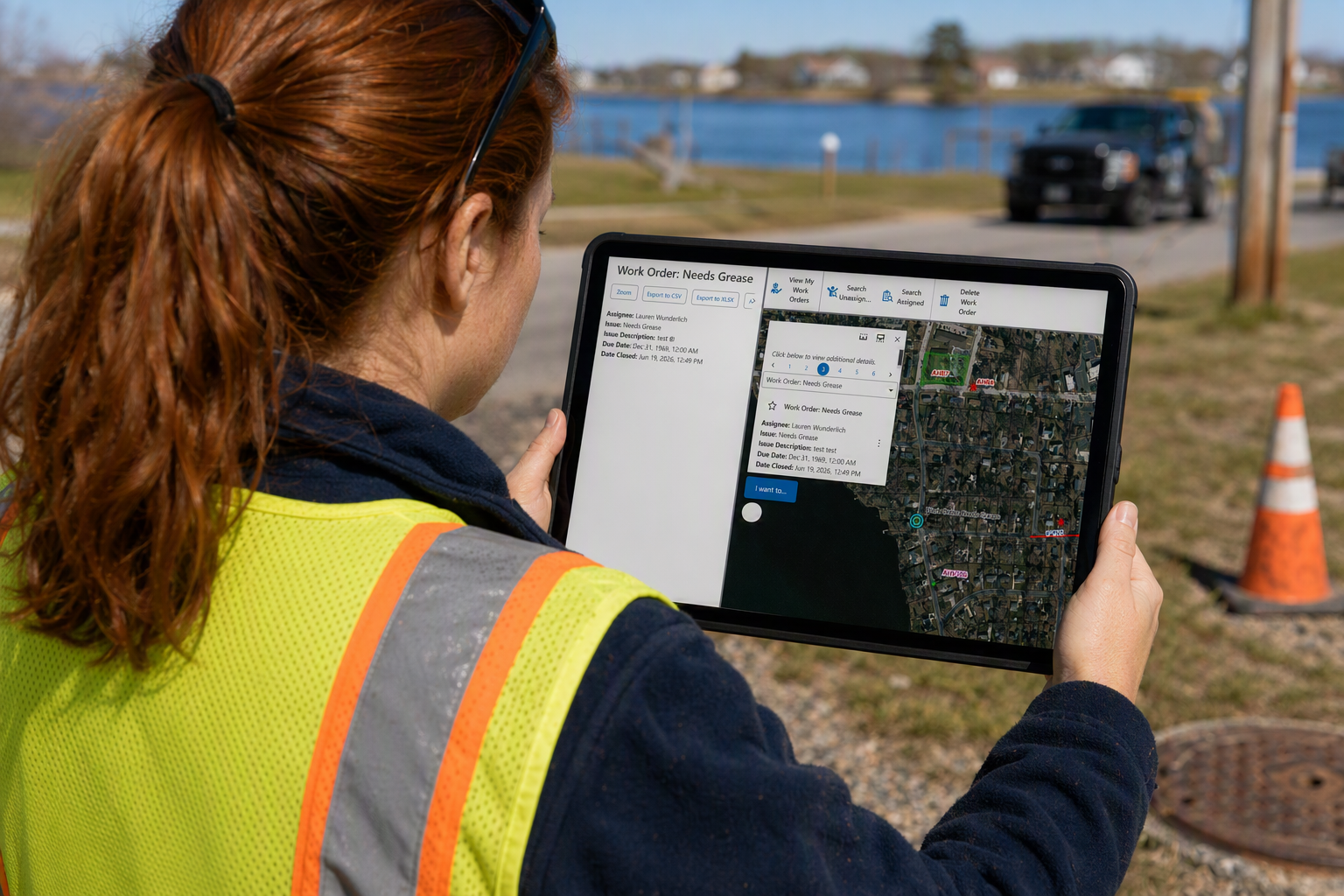
As service expectations grow and resources remain limited, many municipalities are turning to GIS to better manage service requests and maintenance activities. By tracking work, documenting completed tasks, and connecting information to specific assets and locations, GIS helps communities improve coordination, maintain more complete records, and gain better visibility into infrastructure operations.
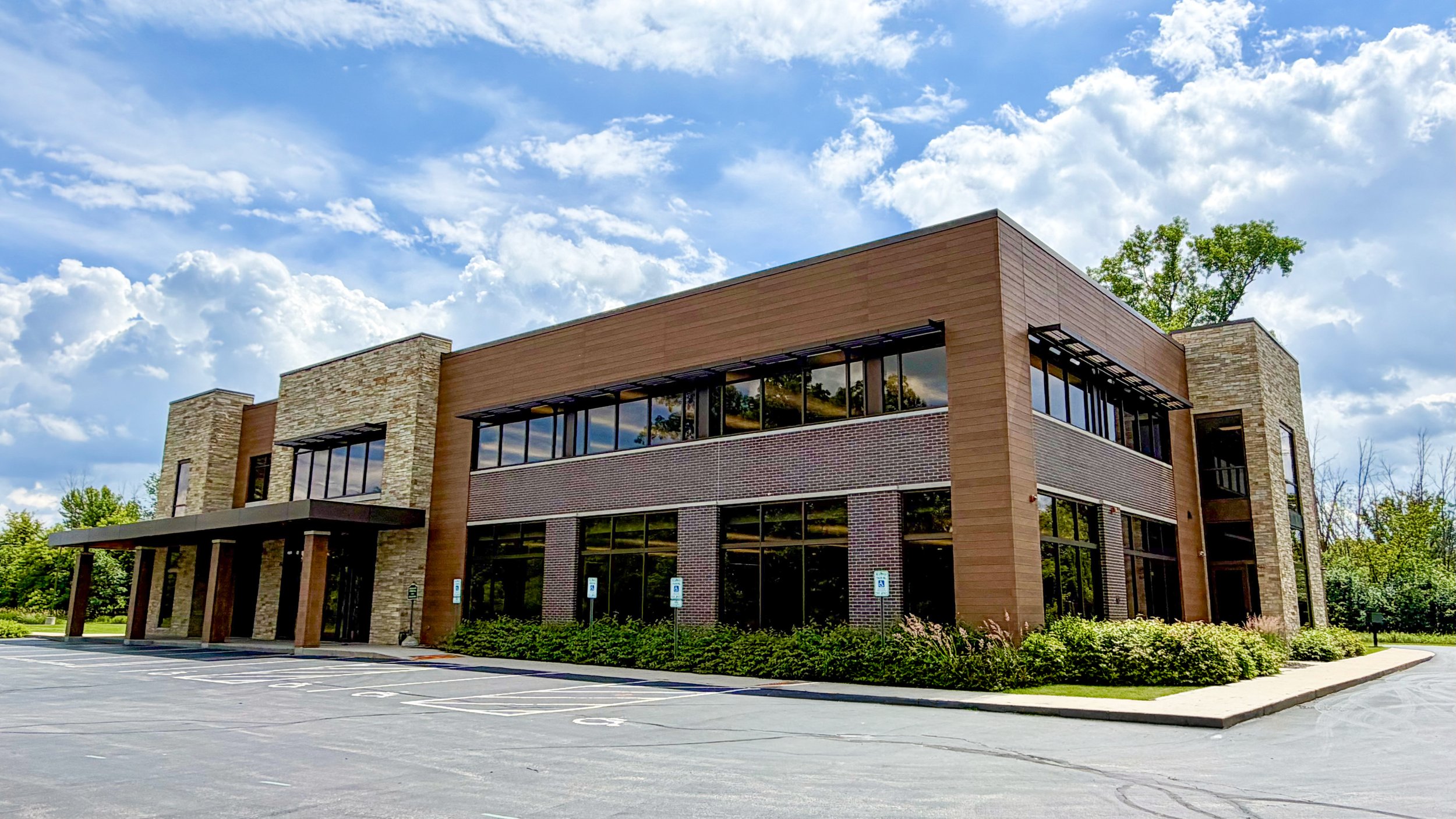
R/M purchased RidgeView Office Center IV, a 25,700-square-foot Class A office building in Pewaukee, Wisconsin. Located at located at N25W23645 Watertown Road, the facility will serve as R/M's new headquarters and as the hub for the firm's next chapter of growth across the region.

Ruekert & Mielke is pleased to welcome McKenzie Masiak as Director of Human Resources. In this role, she will help attract, develop, and retain top talent while supporting the firm's culture of ownership and employee engagement. She will also lead strategic HR initiatives that align with current and future business goals.
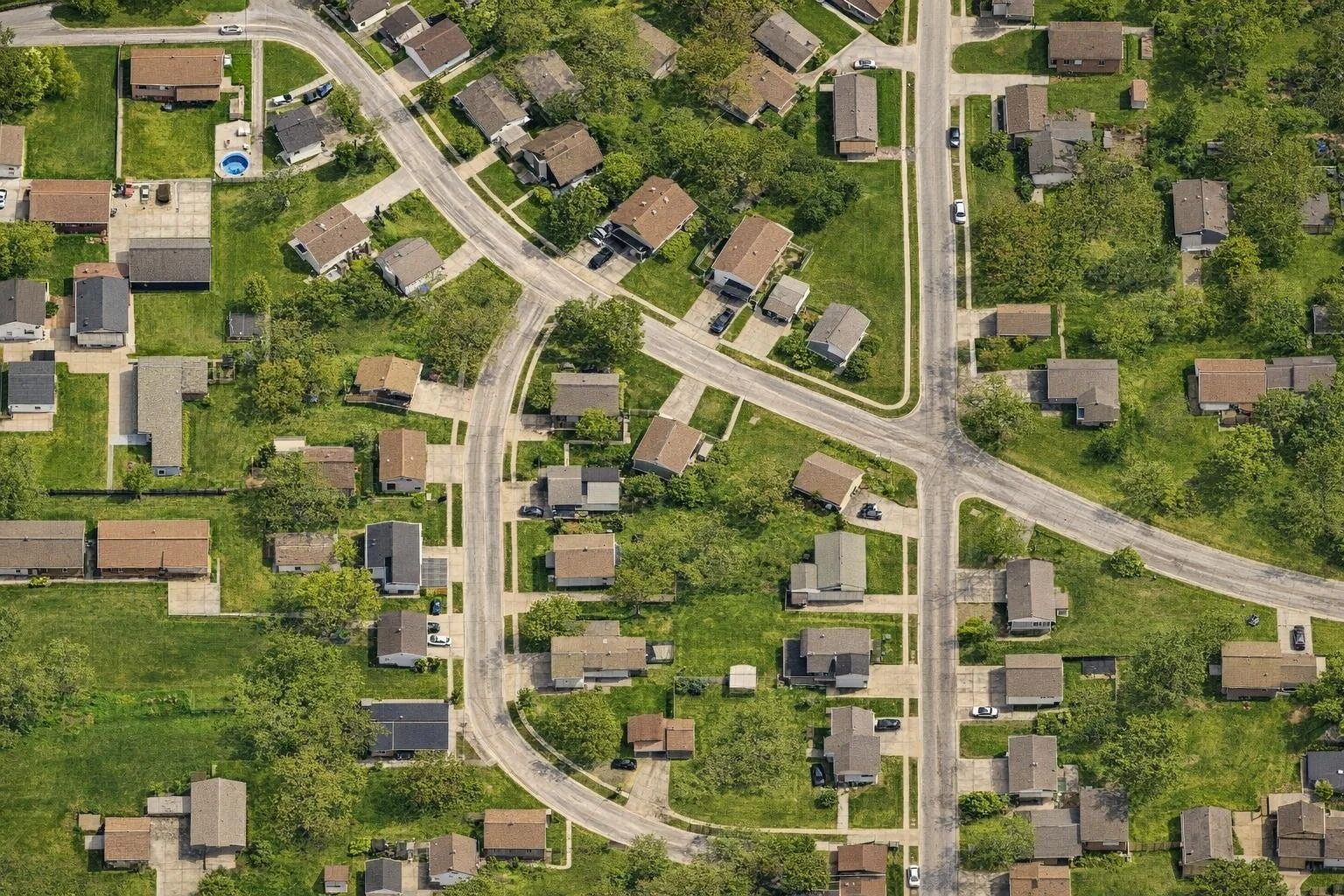
This project highlights how smart, targeted design can solve multiple challenges at once. By focusing on practical solutions, the team reduced cost, avoided property impacts, and delivered a more efficient path to update a busy road in Davenport.

Environmental constraints can significantly impact what land is truly buildable, even if it appears suitable at first glance. Proactive environmental screening helps identify these risks early, allowing project teams to make informed decisions and avoid costly surprises.
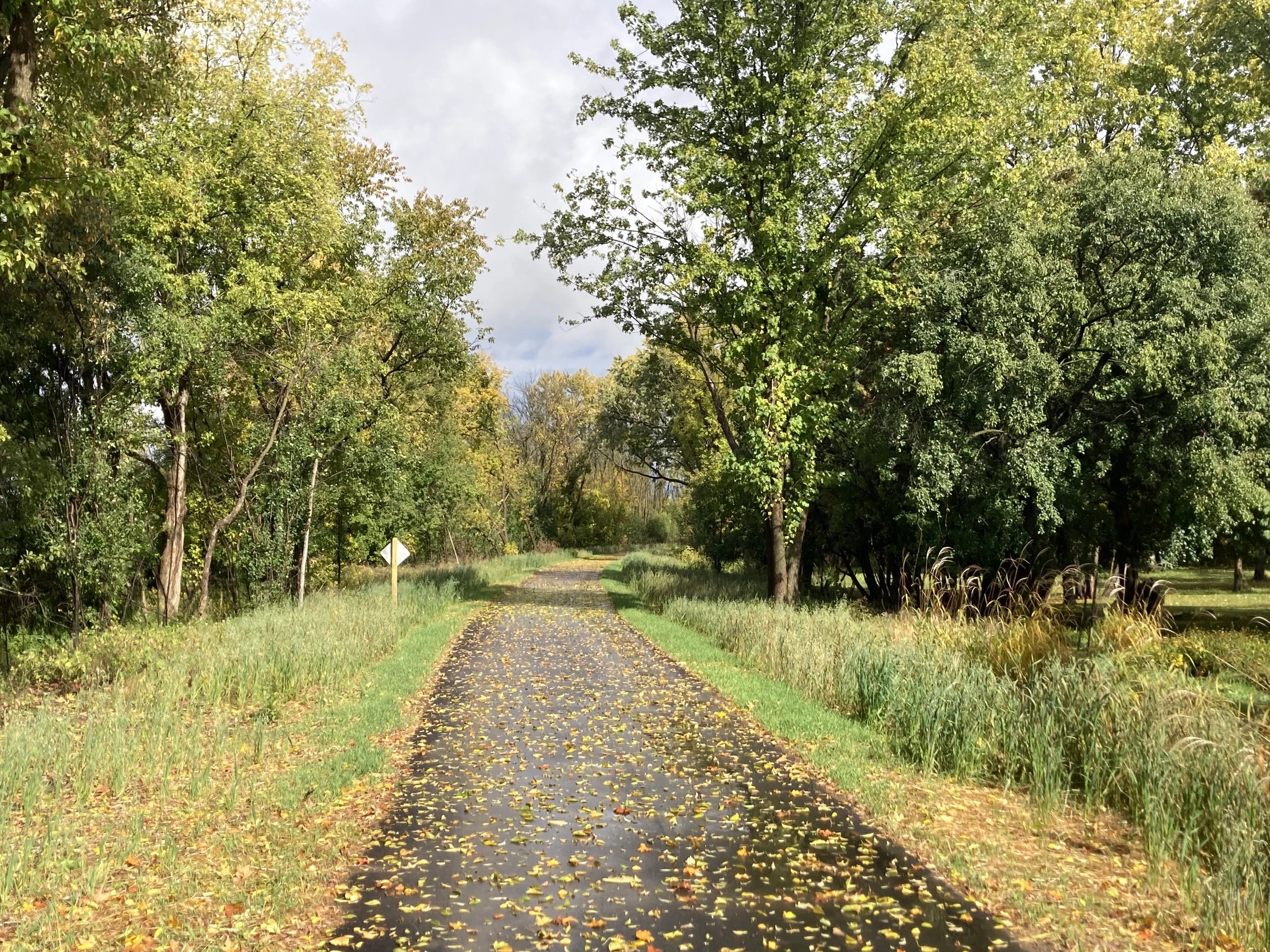
Communities are increasingly shaped by the spaces where people spend their time outside. Learn how thoughtful investments in parks and trails support health, connection, and economic strength.

In partnership with R/M, the City of Kenosha was recognized as a 2026 Engineering Excellence Award winner by the American Council of Engineering Companies of Wisconsin (ACEC WI).
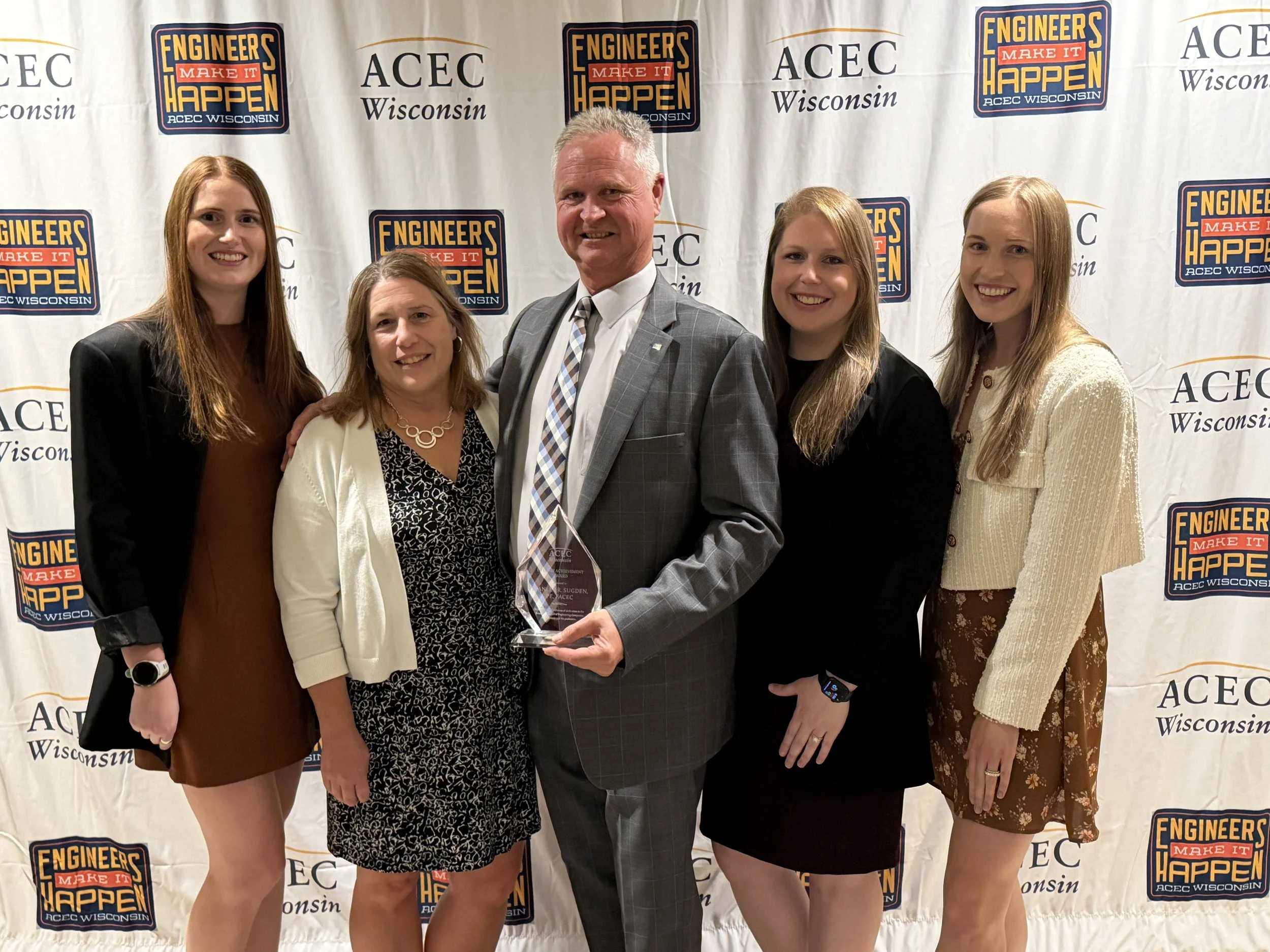
The American Council of Engineering Companies (ACEC) of Wisconsin honored Stan Sugden, PE with its Lifetime Achievement Award at their Annual Awards Banquet.
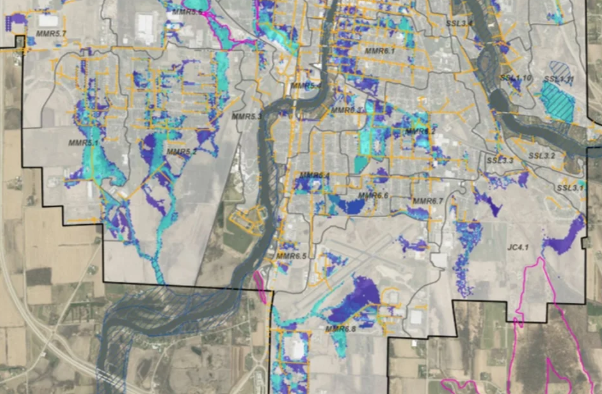
Flooding is no longer just an infrastructure issue. Learn how modern flood modeling helps communities understand risk, plan smarter improvements, and protect people and property before the next storm hits.

Lead service line identification and replacement requires careful coordination and accurate records. How can utilities better manage unknowns while meeting regulatory and planning needs?
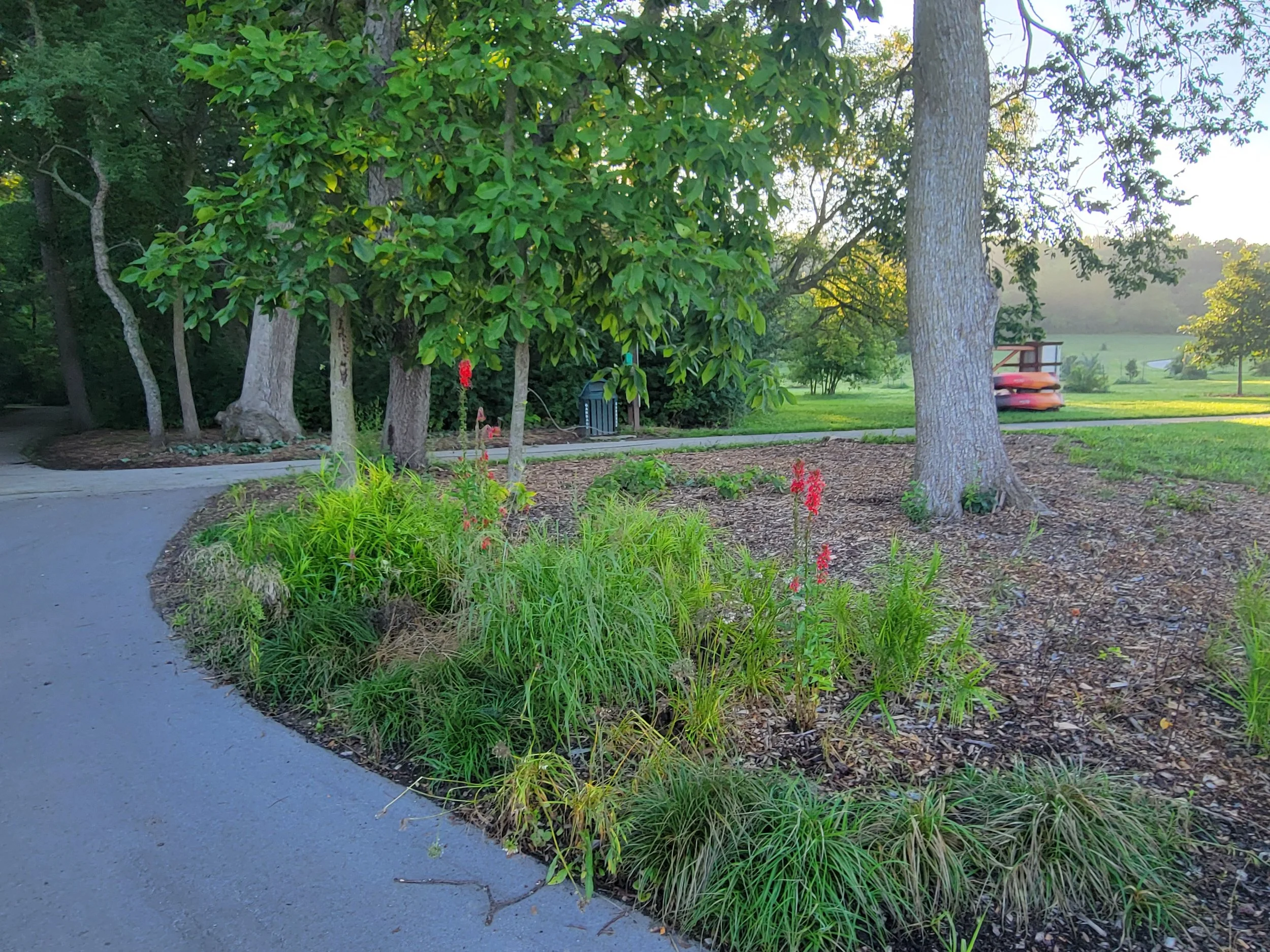
Smart site planning starts at the root. Learn how integrating landscape architecture from the outset improves coordination, reduces risk, and creates resilient, cost-effective designs that perform for the long term.
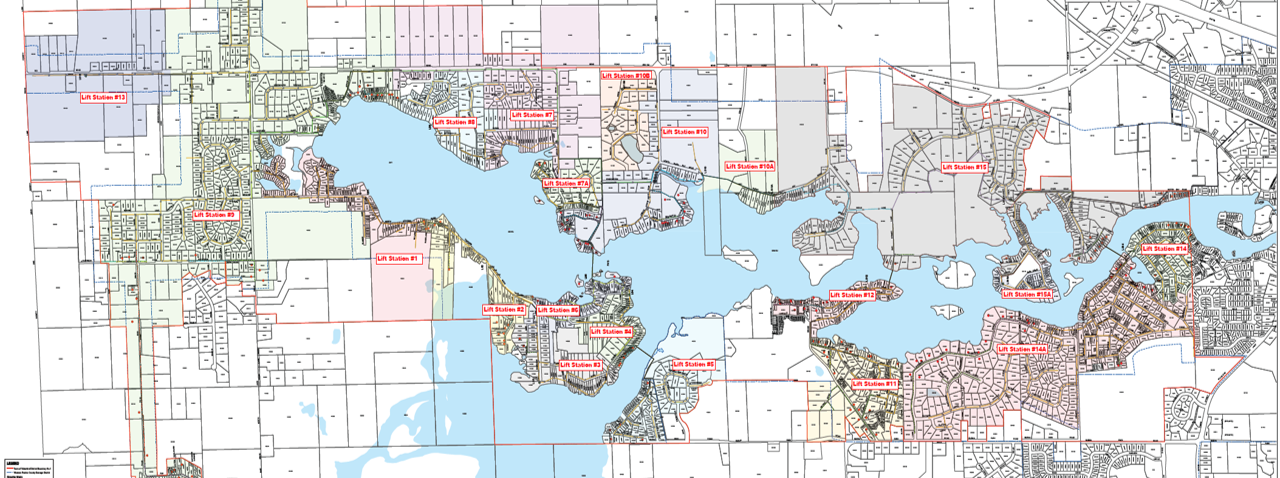
Discover how Waterford tackled aging wastewater infrastructure with innovative upgrades and community-focused solutions. Learn key steps any municipality can take to turn infrastructure challenges into reliable service for the future.

Selecting the right project delivery method is one of the most important decisions for any municipality. Explore the strengths, challenges, and key factors behind Design-Bid-Build, Design-Build, and hybrid approaches to choose the best fit for your next project.

Ruekert & Mielke, Inc. (R/M), a 100% employee-owned engineering firm, has named Jason Lietha, PE, as Chief Operating Officer effective January 1, 2026.

Effective January 1, 2026, Stan Sugden will step down as CEO and transition leadership to Steve Wurster, while continuing to serve as Chairman of the Board of Directors.

Flooding in Fox Point pushed staff to find faster ways to collect damage data. Our GIS team turned a chaotic situation into a coordinated response.

Pickleball is more than a trend—it’s a powerful tool for building healthier, more connected communities. Learn how municipalities are turning underused spaces into vibrant recreation hubs and what it takes to plan successful courts in your town.
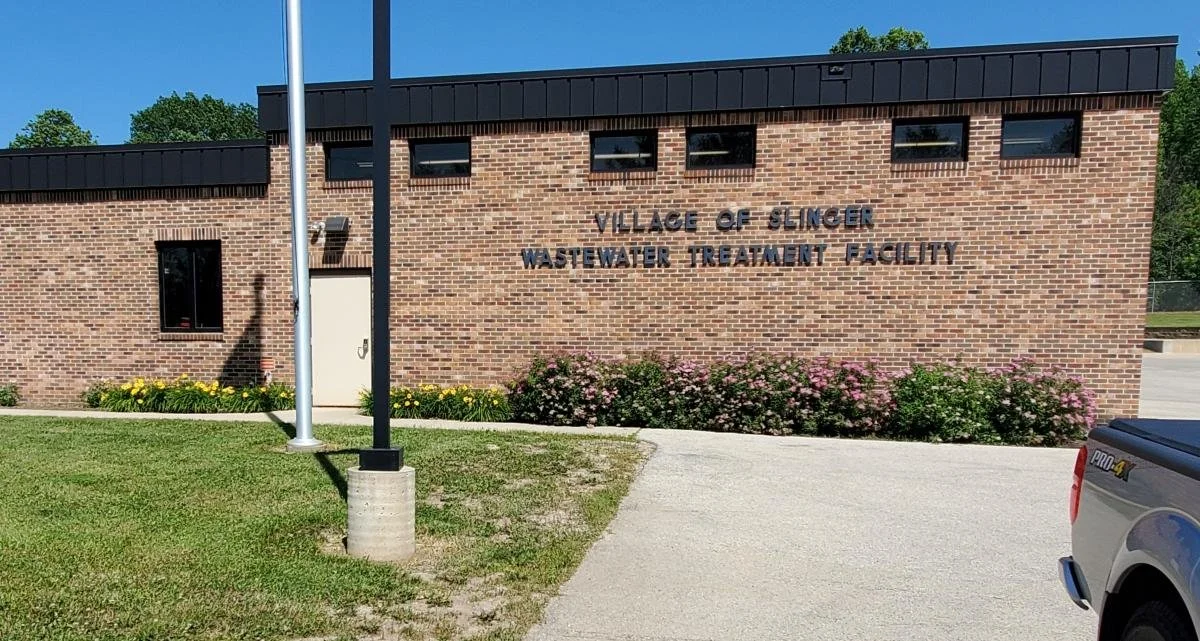
The Village of Slinger has upgraded its wastewater treatment facility with new aeration technology to improve phosphorus removal and boost system resilience. This smart expansion helps the plant meet environmental standards even during high-demand conditions.

Tired of project meetings that leave everyone with more questions than answers? See how drones, scanners, and a touch of AI can turn vague concepts into vivid, shareable visuals that spark better questions, drive smarter decisions, and keep stakeholders engaged.

From centralized GIS tools to real-time work order tracking, learn how the latest release of AssetAlly supports proactive public works planning and simplifies day-to-day operations.
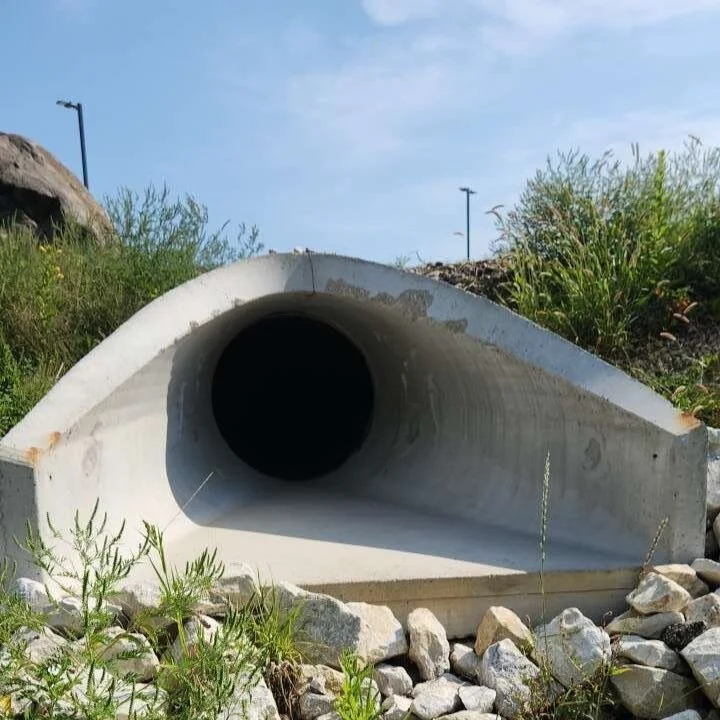
Illicit discharges can harm water quality and put MS4 communities at risk of non-compliance. With limited staff and complex systems, many municipalities struggle to keep up. See how smart tools and proactive planning are helping communities stay ahead.

When utility work extends onto private property, technical skills aren’t enough. Discover how clear communication and a respectful approach can make all the difference in project success and homeowner satisfaction.

A thorough lift station assessment goes far beyond a quick visual check. From site conditions and mechanical systems to electrical components and flow data, each step in the process uncovers key information that helps prevent failures, guide maintenance, and support long-term planning.

Wisconsin communities must assess and submit roadway ratings every two years. Ruekert & Mielke’s experts can help ensure accurate ratings, identify deterioration trends, and develop a cost-effective pavement management strategy to extend the life of your roads.